How to Jailbreak iPhone 4S & iPad 2 on iOS 5.0.1 with Absinthe
 The newly released and highly anticipated Absinthe A5 jailbreak is the first public jailbreak for iPhone 4S users and the first jailbreak for iPad 2 with iOS 5. If you’ve been waiting for an untethered jailbreak for either device with iOS 5, this is it, and it’s very easy to use. Absinthe is compatible with iPhone 4S or iPad 2 running the following iOS builds:
- iPhone 4S iOS 5.0 – build 9A334, iOS 5.0.1 builds 9A405 or 9A406
- iPad 2: iOS 5.0.1 – build 9A405
Backup your iOS device before proceeding, you can do this manually with iTunes.
Jailbreak iPhone 4S or iPad 2 on iOS 5 using Absinthe
- Download Absinthe A5 tool – (Mac OS X) (Windows)
- Connect the iPhone 4S or iPad 2 to the computer
- Launch Absinthe and click on “Jailbreak” and let the device sit and run the jailbreak, this may take a while
- When the jailbreak is finished, you’ll see an Absinthe icon on the home screen, tap on that to load the Greenpois0n site and download Cydia
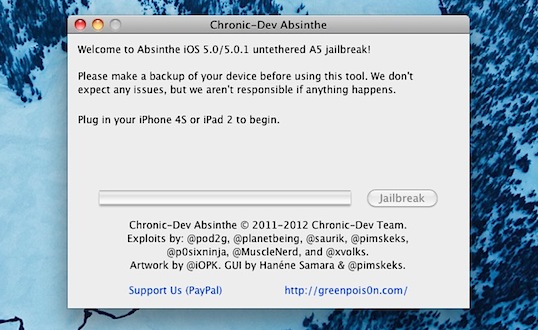
The device is now jailbroken. This is a fully untethered jailbreak, meaning you can reboot at will without the need for boot assistance from an application or computer.
Troubleshooting: If you see an “Error establishing a database connection” error during the process, just wait it out and try again, or start a VPN tunnel through Settings > Network > VPN > ON (via @pod2g). The Absinthe Greenpois0n servers are swamped by the initial demand but things should even out shortly.
 The hotly anticipated jailbreak for iPhone 4S and iPad 2 is finally here, providing an untethered jailbreak for either A5-based device running iOS 5.0.1. Put together by the Chronic Dev Team who are known for making Greenpois0n, the utility is called Absinthe A5 and it is hot off the presses.


 If you want an iPhone to appear as brand new from a software standpoint, you need to reset the device to it’s factory settings. This is ideal if you plan on selling an iPhone or are going to transfer ownership of the device to another individual, and it can also be a very helpful troubleshooting technique for some persistent iOS based software problems. After you have reset the iPhone, it will reboot as if it was brand new and go through the standard new setup procedure that all new iOS devices go through, and can then either be set up as new or restored from a backup.