Subscribe to OSXDaily

Subscribe to RSS Subscribe to Twitter Feed Follow on Facebook Subscribe to eMail Updates

Shared on Facebook

Shop at Amazon

Ad

OSXDaily on Facebook

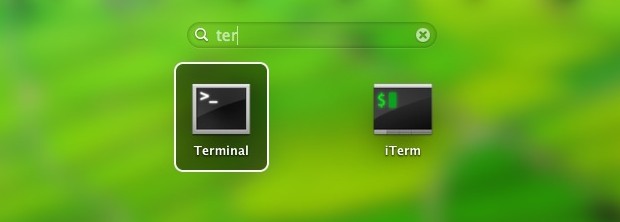
Search LaunchPad

Get Launchpad for Mac OS X Snow Leopard

Feb 21, 2012 - 18 Comments

Launchpad for Mac OS X Snow Leopard

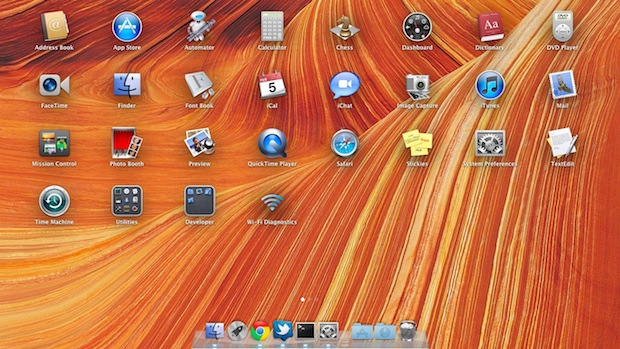
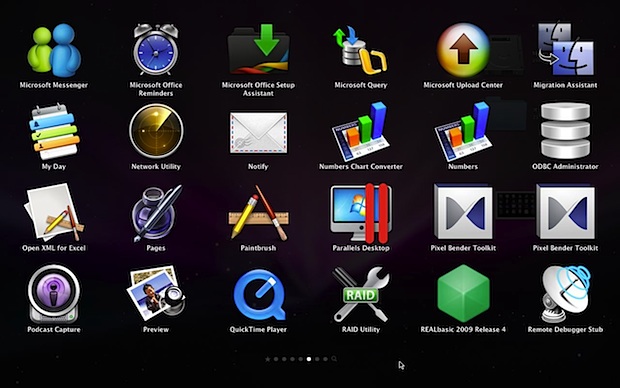
Mac OS X 10.6 Snow Leopard users can now add OS X Lion’s iOS-style Launchpad feature to their desktops with a free third party utility called MacLaunchPad.

MacLaunchPad is pretty similar to the real thing, and some features are closer to the version of Launchpad that appears in OS X Mountain Lion, like the real-time app search function. You can set some customizations that don’t exist in the Lion version too, like giving you the ability to change the amount of visible icons per Launchpad page. As usual with Launchpad, you can set hot keys to activate and deactivate the app, or even arrange and uninstall apps directly from the panels.

MacLaunchpad is compatible with Mac OS X 10.6 Snow Leopard and Mac OS X 10.5.8 Leopard.

Disable Launchpad Fade Transition Effect in Mac OS X Lion

Feb 10, 2012 - 9 Comments

Launchpad Transition in Mac OS X Lion

Launchpad shows a fading transition anytime it is opened or closed, making for a nice effect over whatever is in the background. It’s pleasant looking, but if you don’t like it you can disable the fading with a few defaults write commands. You can also choose to disable only half of the transition, either for showing or hiding Launchpad.

Disable Launchpad Fading

Launch the Terminal and enter the following commands separately:

defaults write com.apple.dock springboard-show-duration -int 0
defaults write com.apple.dock springboard-hide-duration -int 0

Now you must kill the Dock so it relaunches with the changes:

killall Dock

Launchpad is a subprocess of the Dock so killing the Dock forces Launchpad to reload, and the change will be immediately noticeable when you open Launchpad again. Gone is the smooth transition, and now it’s a sudden switch, almost like changing desktops but without the side scrolling animation. If you only want to disable half of the effect, say for when Launchpad is being hidden, only use the defaults write command with “springboard-hide-duration” in the string.

Re-enable Launchpad Fading

To reenable fading and go back to the default OS X Lion setting, use the following commands:


defaults delete com.apple.dock springboard-show-duration

defaults delete com.apple.dock springboard-hide-duration

Again kill the Dock with:

killall Dock

Remove Launchpad Fade Effect

Launchpad will now be back to it’s usual self with the fading transitions. If you’re not certain, hold down the shift key and see if the transition is in slow motion.

Switch Background Styles of Launchpad in OS X 10.7.3

Feb 6, 2012 - 10 Comments

Launchpad Background Styles

The OS X 10.7.3 update brought with it a variety of subtle changes, including a minor adjustment to how the Launchpad background image style is switched. In previous Mac OS X versions, Command+B would switch between the background effect styles, but this is now achieved with Control+Option+Command+B.

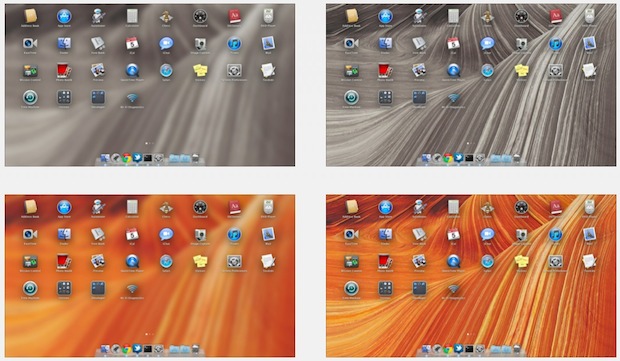
Try it yourself by opening Launchpad and then hitting the Control+Option+Command+B keys to alternate between backgrounds with blur, unblurred, black and white, and blurred black and white. You can see samples of these background style effects below.

Read more »

How to Remove Apps from Launchpad in Mac OS X

Jan 5, 2012 - 11 Comments

Remove Apps from Launchpad

Launchpad is the iOS-like application launcher that came to Mac OS X with the release of 10.7 Lion. It’s a nice addition, but Launchpad can also be difficult and inconsistent to delete apps from. Third party utilities like Launchpad-Control will help to manage Launchpad for you, but if you’re a DIY kind of individual, you want to know how to manually delete apps and icons from Launchpad, both on a per app basis but also a fell swoop method that will delete all apps from the launcher.
Read more »

Hold Shift Key to Use Launchpad in Slow Motion

Nov 13, 2011 - 10 Comments

Hold Shift for Slow Motion in Launchpad

Like most of the other transition effects in Mac OS X, you can hold down the shift key to force the animation to render in slow motion. In the case with Launchpad, this will cause the app icons to slowly rise out of the background, or for the Launchpad screens to very slowly switch between one another.

Trying this out for yourself is simple enough, just hold down the Shift key and open Launchpad either by clicking the dock icon or using a four-fingered trackpad pinch, the slow motion effect is obvious enough that you can’t miss it when it’s working.

Launchpad in Slow Motion

This is mostly an eye candy trick but it can be useful for taking screenshots of the transitions, and there’s probably some other purpose out there too.

If you were wondering, it doesn’t stack with the blur effect.

Change Launchpad’s Background Image Effect in Mac OS X Lion

Oct 30, 2011 - 11 Comments

Unblur Launchpad background Mac OS X Lion

Bored with Launchpads background? You can make some changes to it in Mac OS X Lion by changing the background images default blur effect to three other options: unblurred (shown above), black and white blur, or black and white unblurred (both shown below):

  • Open Launchpad
  • Hit Command+B to cycle through the background image effects

Update: In OS X 10.7.3, you need to use Command+Control+Option+B to achieve the same effect

Hitting Command+B once should just remove the blur from the background image, which makes Launchpad more closely resemble the iOS springboard. You can use the keystroke a few more times to switch into black and white or to go back to the default blur.

Other than changing the actual wallpaper, you can’t change Launchpad specific wallpaper, although you can change Launchpads folder background image to something other than the linen default.

Here’s a few other screenshots showing the black and white effect variations:
Read more »

Change Launchpad Icon Size in Mac OS X Lion from Large to Small

Oct 19, 2011 - 28 Comments

Change Launchpad Icon Size

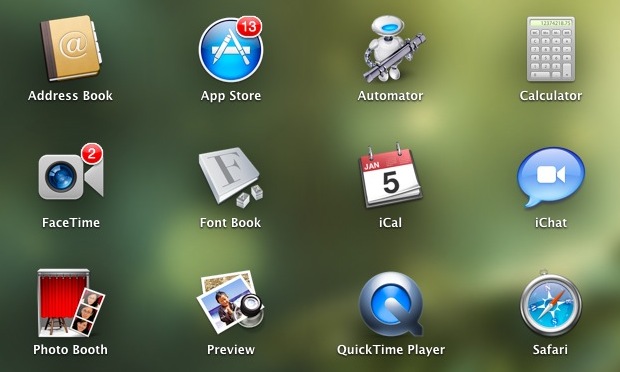
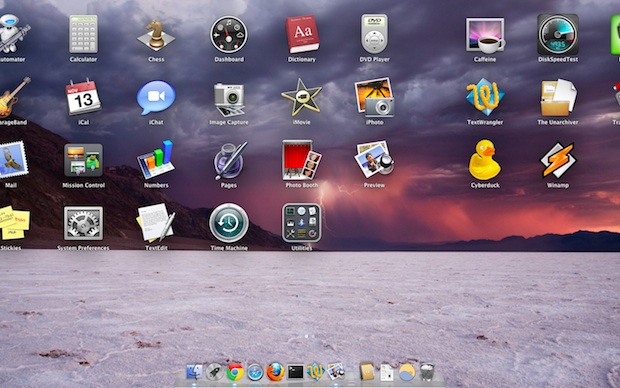
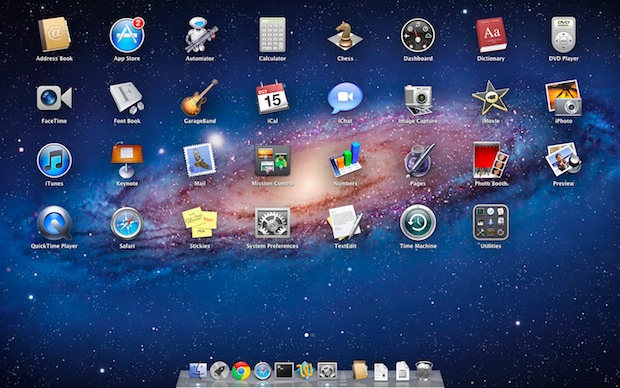
Of all the Launchpad tips and customizations, one that has been greatly desired is the ability to manually adjust the icon size of apps. A tip sent in by Rohan Agashe moves us in that direction, allowing you to change the Launchpad icon size down from the large icons in OS X 10.7.2 to the smaller Launchpad icons that were present in Mac OS X Lion 10.7.1.

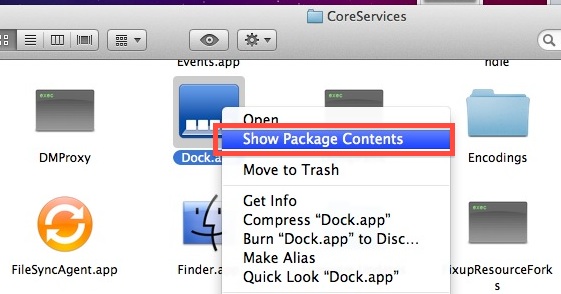
This trick is limited to those who have an existing backup of Mac OS X 10.7.1 through Time Machine or otherwise. We are not going to provide old copies of Dock.app or the executable since it is part of OS X Lion and that would be against the EULA.
Read more »

Enable Motion Blur Effect for Launchpad Movements in Mac OS X Lion

Oct 10, 2011 - 15 Comments

Blur Launchpad Movements in Mac OS X Lion

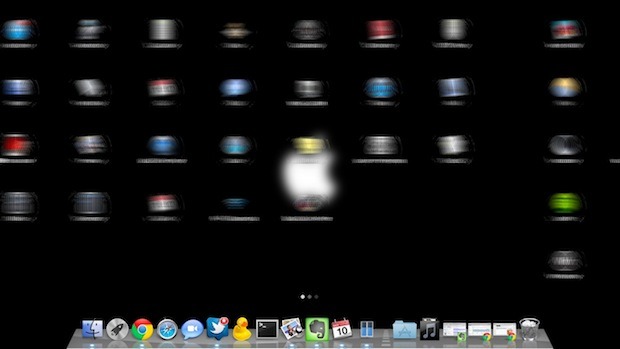
Want to add some additional eyecandy to Mac OS X Lion‘s Launchpad feature? Open Launchpad and hit Command+M to enable a motion blur that is seen at various Launchpad events.

You can immediately see the effect by swiping between Launchpad screens or by using the Command+Arrow keys to navigate around. The motion blur also effects opening folders in Launchpad, as the folders spring open the icons will blur as they zoom down:

Motion blur in Launchpad folders

(Yes that is a custom Launchpad folder background)

Screenshots only do the motion blur effect so much justice and it’s best experienced directly. If you want to disable the blur, just hit Command+M again and you’ll be back to the default setting.

The blur effect was seen in the very first introduction to Mac OS X Lion last year at the “Back to the Mac” event, but for whatever reason Apple decided against enabling it by default in the shipping version of OS X 10.7. I have noticed that if OS X is running low on memory or if CPU use is heavy, the blur can be somewhat choppy, which may go to explain why it’s not a default setting.

Enjoy this? Check out some more Launchpad tricks while you’re at it.

Customize LaunchPad Folders with Emoji

Sep 8, 2011 - 3 Comments

custom LaunchPad folder name with Emoji

You may know by now that Mac OS X Lion has Emoji support, which is easily accessible in most applications. This brings a wide range of icons and emoticons to the Mac, and some of them are perfect to customize the appearance of LaunchPad folder names. Here’s how:

  • Open TextEdit and then hit Command+Option+T to bring up the ‘Special Character’ tool
  • Select “Emoji” from the list on the left and then select a sub category, find an emoticon or icon you want to use and double-click it to make it appear in the blank TextEdit window
  • Highlight and copy the emoji icon in TextEdit so that it is stored within the clipboard
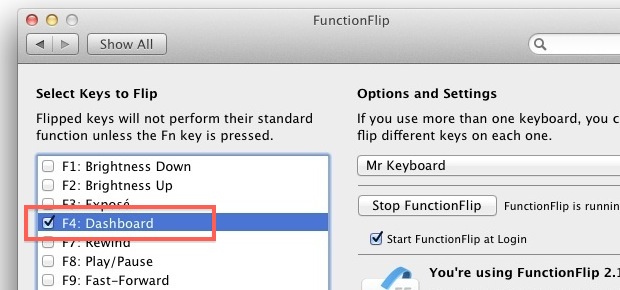
  • Hit F4 or whatever key you remapped to open LaunchPad
  • Click to open the folder you want to edit, then double-click on the folder name to make changes
  • Use your mouse cursor or the arrow keys to go to the beginning of the word, and hit Command+P to paste the Emoji icon into the folder name
  • Emoji icons in LaunchPad folder names

  • Click out of the folder to set the change

Removing the emoji icon from the folder name is the same as deleting any other character. This is actually an older tip from the iOS world but LaunchPad and iOS’s SpringBoard are so similar that it works in Lion.

Emoji Folders in OS X Lion LaunchPad

These Emoji icons tend to look their best on larger screens mostly because the LaunchPad icons are larger, something that nobody has yet figured out how to control independently – although the LaunchPad icons are universally larger in Mac OS X 10.7.2 developer betas, there is still no way to adjust the size.

Enjoy this? Check out more LaunchPad tips.

Open Mac OS X Finder from LaunchPad

Aug 23, 2011 - 9 Comments

Open Finder from LaunchPad

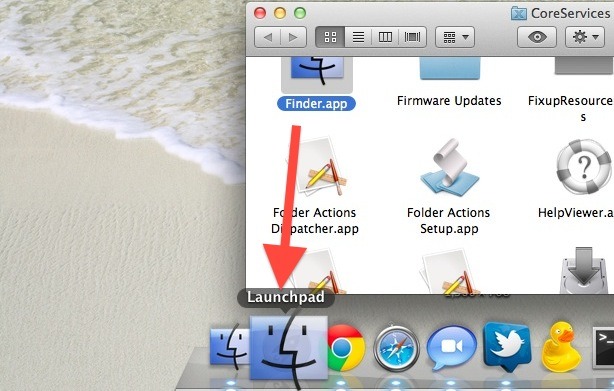
Want to open the Finder and your standard desktop Mac OS X windows from LaunchPad? You can, but you have to drag the Finder application into LaunchPad. Here’s how to do this:

  • From the Mac OS X desktop, hit Command+Shift+G to bring up “Go To Folder” and enter the following path:
  • /System/Library/CoreServices/

  • Within /CoreServices/ locate and drag “Finder.app” to the LaunchPad icon in the Dock
  • Drag Finder to the LaunchPad to open Mac OS X Windows from LaunchPad

Now LaunchPad will show the standard Finder icon, which if clicked on will open up your default Finder window choice, which is typically “All My Files” in OS X Lion.

This tip comes from @mrgan on Twitter, you can follow us there too.