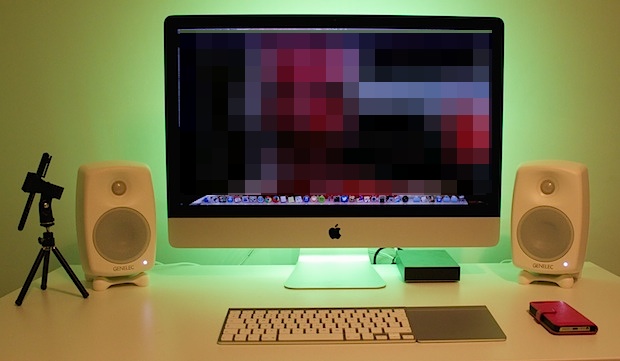
Get Sunset & Sunrise Times from iPhone
Mar 27, 2014 - 1 Comment

You can quickly get the Sunrise and Sunset times on a given day for any location, right from your iPhone or iPad. So whether you’re planning a romantic rendezvous for sunset, just want to see the sun peak over the horizon, gearing up for some dramatic lighting photography, or you’re aiming for dawn patrol waves or untracked powder at sunrise, you can quickly determine when you’ll need to be heading to your preferred spot to have the best experience.
Read more »
By Paul Horowitz - iPad, iPhone, Tips & Tricks - 1 Comment
 While Safari usually works just fine for browsing the web, there are times you may encounter a persistent error message about verifying the identity of a particular website. The precise error message may read something like this, and appear on almost any site, where “URL” is a variety of domains:
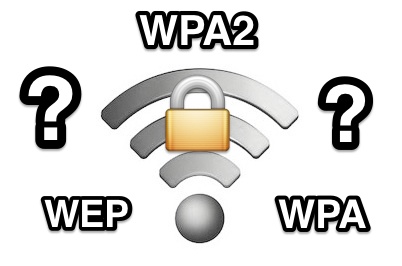





 The EXT file system (short for Extended File System) and it’s family members of EXT2, EXT3, and EXT4, are the file systems used by Linux and Raspberry Pi. Mac users who work with multiple platforms may notice that OS X is unable to mount EXT partitions on its own, and thus anyone wishing to mount and read EXT drives and other file systems will need to rely on a third party utility.
  Though the