How to Delete Messages in iOS 12, iOS 11, iOS 10, iOS 9, iOS 8, & iOS 7
Sep 27, 2013 - 4 Comments
 The Messages app received a significant makeover in iOS, and like many other elements of iOS some of it’s functionality changed as well. Many users have noticed that the behavior to delete messages has changed, leading some to believe the deletion feature was removed from Messages entirely (it wasn’t).
Let’s review how to remove segments of message threads in iOS 12, iOS 11, iOS 10, iOS 9, iOS 8, and iOS 7, and also how to delete an entire message conversation from the app completely.
Removing a message works the same for iMessages, multimedia messages, and for standard SMS text messages. To prevent any mistakes, you may want to adjust the setting to show full names within Messages before modifying or removing them.
Read more »
By Paul Horowitz - iPad, iPhone, Tips & Tricks - 4 Comments
 Hard drive failures are never fun but they are a fact of computing life whether you use a Mac or PC. Sometimes drives can truck along for many years before going bad, and other times you wind up with a drive that goes kaput after just a few months of normal use. Regardless of when it happens (and it will), we’re going to focus on the most simple method of retrieving crucial files and data from the failing drive.

 The iTunes Radio music service offers a great way to listen to your favorite songs and also find new music, and with some minor adjustments you can tune any station to prefer either the hits, wander more into discovery, or a mixture of the both. These three tuning settings are named appropriately, and can be described loosely as the following:

 Some iOS and iPadOS users have reported problems activating iMessage and FaceTime on their freshly updated iPhone, iPad, and iPod touch devices. Some of the initial activation errors were probably due to immense simultaneous demand being placed on Apple servers, but since some people are still experiencing this problem after the initial iOS update release rush, we think it’s worth addressing with a few solutions to remedy the issue.
 If you’ve been listening to iTunes Radio and noticed there’s a strong preference to clean songs versus the original versions that may contain some stronger language, you’re not going crazy, it’s actually the default settings choice for iTunes Radio. Listeners of certain genres will probably never notice the difference, but a surprisingly large amount of pop, classic rock, alternative, hard rock, hip hop, and rap is impacted by the “explicit” filter, and the result is either entire songs filtered out, or a preference to the clean radio edits. If you’d rather listen to your music nanny-free, you can make a quick settings adjustment in iTunes Radio on either the desktop in OS X or in the mobile world with iOS.

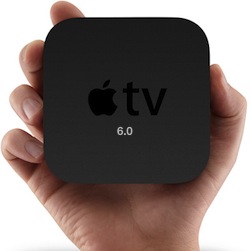 Hot off the heals of the