Enable a Confirmation When Deleting Files & Folders with rm Command
Most command line users know that the “rm” command for removing and deleting files is quite powerful, able to delete just about any file imaginable within the file system – whether it should be removed or not. Once you add in wildcards and sudo, rm and srm because exponentially more potent and potentially dangerous, so for advanced users who wish to add in a layer of security to the rm feature they can enable a confirmation dialog with the rm and srm commands. This also offers a helpful protective mechanism for those who are learning the command line and want to place a a layer of verification between the instantaneous deletion of files and their command execution.


Mac users may encounter DOCX files from time to time, often sent from a Windows user as an email attachment or otherwise, as the .docx file types are standard document files created in newer versions of Microsoft Office. But what if you don’t have Office on the Mac? That’s ok too, even if you don’t have Office installed in Mac OS X, you can still open, read, and edit docx files on modern versions of Mac OS X, most often without any added software.


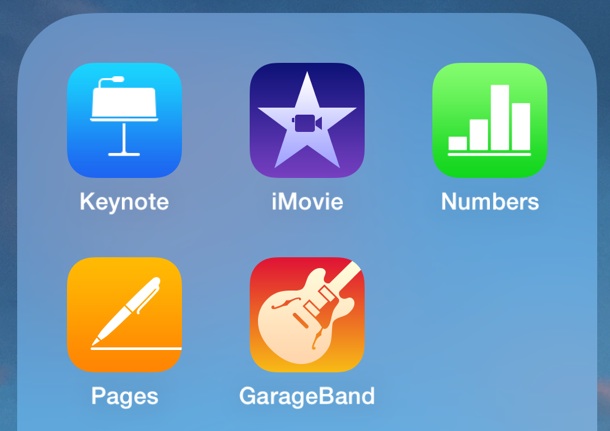
Mail app in iOS allows users to easily add any type of file attachment to an email, as long as the attachment in question is coming from an associated iCloud Drive. This means you can add files from Pages, Microsoft Office documents, PDF, PSD, text and rtf files, or just about anything else, directly to an email on the iPhone, iPad, or iPod touch. The selected file(s) will behave just like a regular email attachment sent from a desktop email client too. Let’s walk through the steps for how to add attachments to emails in iOS.