
How to Remotely Disable iCloud Activation Lock from an iPhone
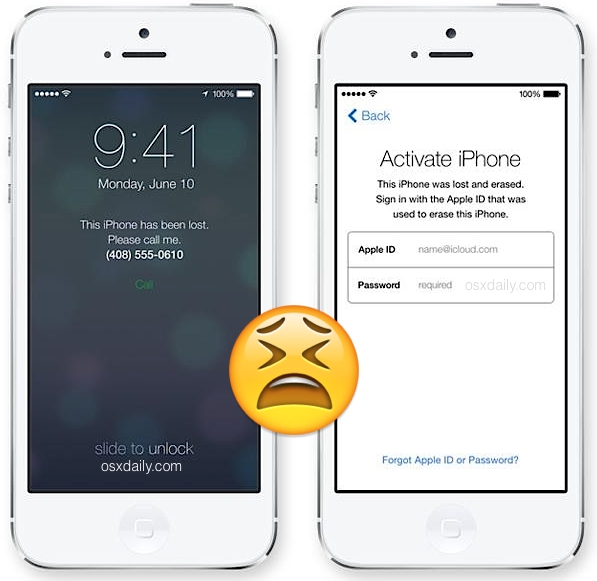
iCloud Activation Lock is a feature that allows users to lock down an iPhone (or iPad) and require the entry of an Apple ID before the device becomes usable again. It’s part of the excellent Find My iPhone service and is extremely useful for many reasons, but it can also be a real pain if you or someone else obtained an iPhone that has another Apple ID attached to it and is then ‘locked’ to that account with an activate request, because until that activation lock is removed it will be prevented from general usage or login with another Apple ID.
So what should you if you longer have possession over the iPhone, but you still want to remove the Activation Lock and disconnect it from your Apple ID and iCloud account? Or what should you do if you bought an iPhone from someone else, and it has an activation lock attached to their Apple ID?

 QuickTime Player, the video player and editing tool bundled with the Mac for ages, received a fairly major overhaul when it turned into QuickTime Player X. While it became free and lost the need to upgrade to a Pro version, it also lost out on a lot of really nice professional features that QuickTime Player 7 had. Perhaps most missed from QuickTime Player 7 is the excellent A/V tools panel, which allows users to adjust the video brightness, color, contrast, tint, playback speed, audio volume, audio balance, bass, treble, pitch shift, and playback.
 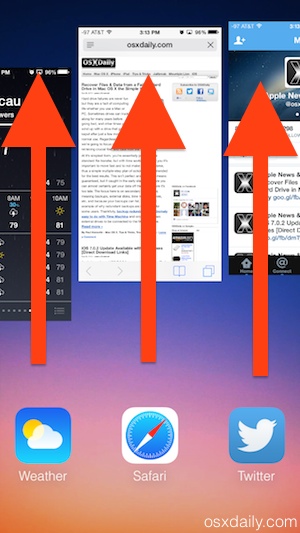 If you ever need to quit out of more than one app on the iPhone, or quit a bunch of apps quickly in iOS, using a handy multitouch swipe gesture at the iOS multitasking screen is enough to quit apps simultaneously. This works really well to quickly clear out the multitask bar of all running apps if you need to for whatever reason, and you can quit as many apps at a time as that fit on screen (and that you can fit fingers onto), which usually means killing running apps in groups of three.
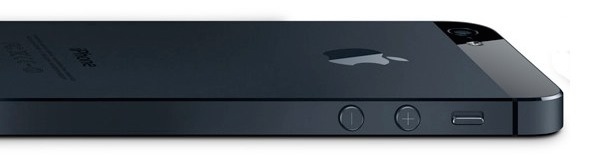
 The iPhone Clock app has replaced many bedside alarm clocks out there, fitting since many of us sleep with an iPhone on a bed stand anyway. While most users know that you can snooze / sleep the iPhone alarm by just tapping on the screen or pressing one of physical buttons on the phone (volume buttons, home, power), fewer know this handy little trick to quickly turn off the alarm completely.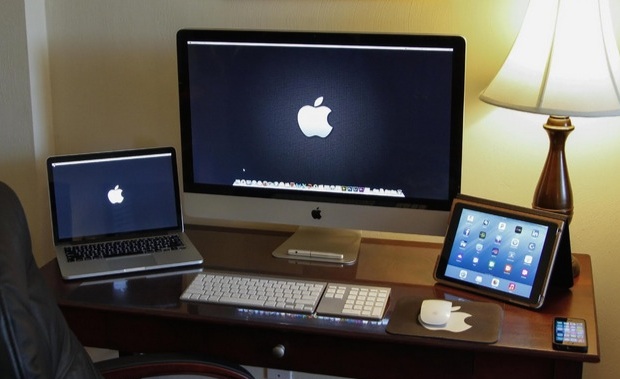
 If you regularly
 Call Waiting is the feature that allows you to hear another incoming call when you’re already on active phone call, often referred to as a ‘beep’. On the iPhone, you can then look at your screen and the incoming callers number or contact details will be shown. Call Waiting is obviously very useful for many situations, but if you’re annoyed with the beep while on a phone call you can easily turn the feature off with an adjustment of an iPhone setting.
  If you share a computer, or when someone else just needs to use your web browser for a while, you probably know the dread of worrying about a million saved web logins, history, saved searches, and whatever other customizations and personal data you have in the browser. Common solutions are often to use a
  The first time you set up a Mac or
 I don’t know about anyone else, but I always have a very different volume level for my headphones than for my speakers, and if you’re anything like me than this tip is great news. You can actually set headphone-specific volume levels on your Mac, so you won’t have to be constantly toying with the volume levels. That means no more embarrassing moments where your headphones accidentally get pulled from your Mac in a quiet library, and you proceed to blast music for all to hear.