Google Tablet coming soon as iPad competitor
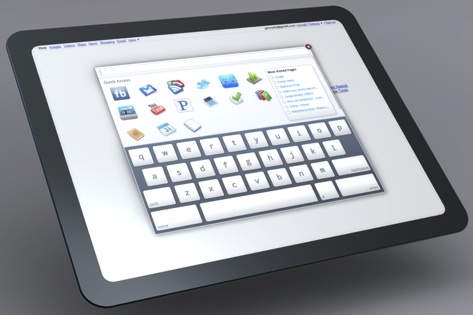
The tablet wars are about to heat up. The iPad is currently the only meaningful tablet device around, but that may change as soon as November when Google is rumored to release their Chrome OS Tablet. According to MacRumors, the Google Tablet may be released as soon as November 26 in order to fit into the holiday shopping season.
Running Google’s Chrome OS and attached to data plans through Verizon, the hardware specs of the Google Tablet are anticipated to be impressive so that the device doesn’t “disappoint its early adopters”:
It’ll likely be based on NVidia’s Tegra 2 platform and sport a 1280×720 multitouch display, 2GB of RAM, minimum 32GB SSD, WiFi/Bluetooth/3G connectivity, GPS, webcam, and possibly expandable storage via a multi-card reader. Expect it to be every bit as geek-tastic as the Nexus One
Google will likely aggressively price the Chrome Tablet against the iPad, although the pricing structures for the device and accompanying data services are currently unknown. Data plan contracts are expected to subsidize the consumers cost of the tablet dramatically, similar to the manner of cell phone contracts.
Apple’s iPad is the dominant tablet computer at the moment, and thus far all other attempts at competing in the marketplace have flopped. Microsoft has already floundered, leaving Google to be the only foreseeable threat to the iPads dominance. Google hopes to replicate Androids success against the iPhone with their entry into the tablet market, creating yet another head-to-head battle between Apple and Google.
Not much is known about the touch interface of Chrome OS, or the appearance of the Google Tablet itself, the above image is nothing but a speculative mockup. You can run Chrome OS in Mac OS X, but the current version floating around really isn’t that exciting, it’s basically the Chrome browser running in a virtual machine. It’s highly unlikely the released version of the tablets Chrome OS will be as boring.


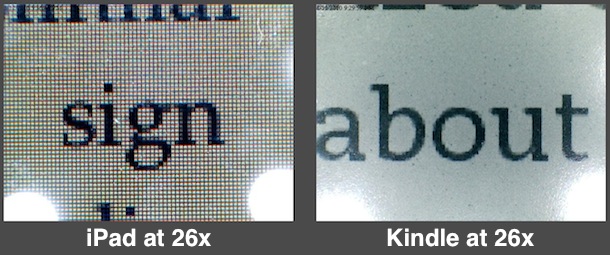
 , which I had no idea you could even get a 400x USB powered microscope for $65, that’s amazing in and of itself. Anyway, more pictures: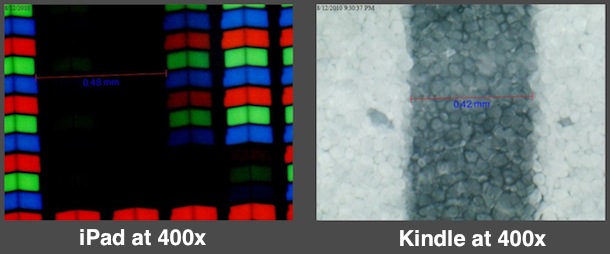
 amazingly enough actually holds detail and, well, resembles ink.
 .
.
 Adobe Photoshop for iPad has been released and it’s a free download. Technically called Photoshop Express, the Express moniker suggests a more full featured version may be in the works from Adobe to further utilize the power and screen size of the iPad. Photoshop Express is the as the

 All versions of Mac OS X default to saving captured screen shot files to PNG format, but if you’d rather have screenshots save as another file type, it’s actually quite easy to modify the file format and change the default to something new.

 EPUB stands for ‘electronic publication’ and it’s the accepted standard format for digital book publishing. If you want to make an ebook that can be read on a digital device, you’ll need it in this EPUB format.