
Install iBooks Author on Mac OS X 10.6.8 Snow Leopard
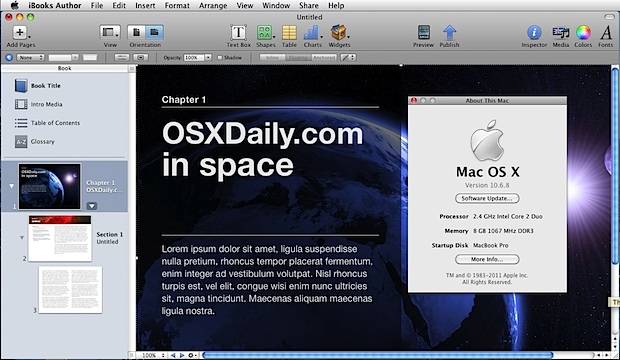
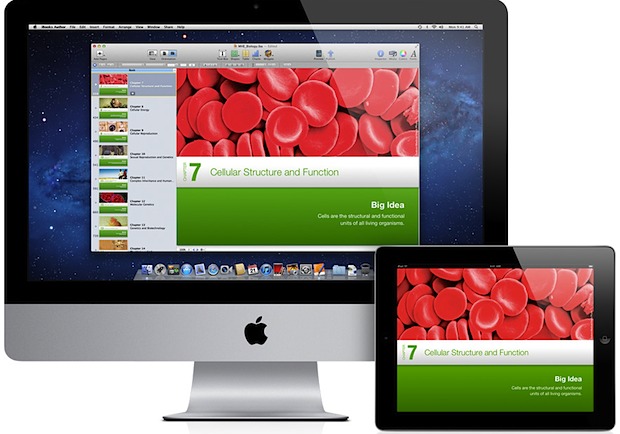
Apple’s free interactive book creation app iBooks Author was just released, allowing for anyone to make multi-touch iBooks for iPad. Unfortunately it’s officially for Mac OS X 10.7 only, and if you try to install it on Snow Leopard, you’ll get an error message. With a little work we can get around that error message and install and run iBooks Author in Mac OS X 10.6.8.
This is not supported by Apple, although the app appears to work fine and if you just want to explore the application it’s more than enough. If you plan on publishing with iBooks Author, you should use OS X Lion though.
- From the Mac OS X desktop, hit Command+Shift+G and enter /System/Library/CoreServices/
- Locate SystemVersion.plist and make a backup copy of it to the desktop
- Launch the Terminal and type the following:
- Locate the keys ProductUserVisibleVersion and ProductVersion and change their strings from “10.6.8” to “10.7.2”
- Hit Control+O to save the file
- Now launch the Mac App Store and find and download iBooks Author
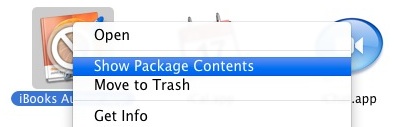
- After iBooks Author is finished downloading – do not launch it yet, instead open /Applications/ and find the app, then right-click on it and choose “Show Package Contents”
- Now open the folder “Contents” and locate and open “Info.plist”, you can use nano or your favorite text editor
- In Info.plist, look for “LSMinimumSystemVersion” and change the accompanying string from “10.7.2” to “10.6.8” and safe the file
- Almost done! Now go back to the SystemVersion.plist file and open it again:
- Locate keys ProductUserVisibleVersion and ProductVersion again, but change their strings from to “10.7.2” back to “10.6.8”
- Save SystemVersion.plist
- Launch iBooks Author
sudo nano /System/Library/CoreServices/SystemVersion.plist
sudo nano /System/Library/CoreServices/SystemVersion.plist
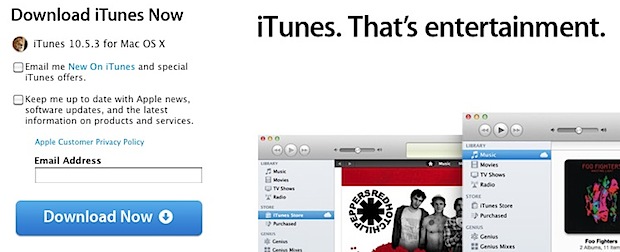
The iBooks Author icon will probably keep it’s strike through it, but the app opens fine and everything seems to work. You may also need to upgrade to iTunes 10.5.3 if you want to sync the iBooks to an iPad.
 Some users with the new Greenpois0n
 The newly released and highly anticipated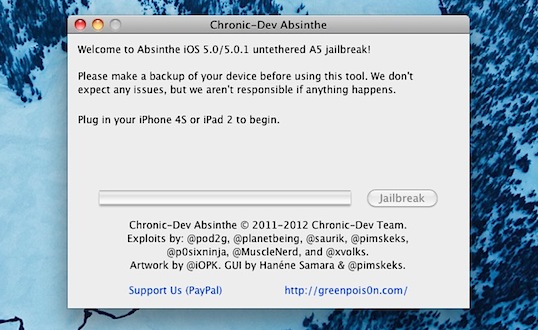
 The hotly anticipated jailbreak for iPhone 4S and iPad 2 is finally here, providing an untethered jailbreak for either A5-based device running iOS 5.0.1. Put together by the Chronic Dev Team who are known for making Greenpois0n, the utility is called Absinthe A5 and it is hot off the presses.


 If you want an iPhone to appear as brand new from a software standpoint, you need to reset the device to it’s factory settings. This is ideal if you plan on selling an iPhone or are going to transfer ownership of the device to another individual, and it can also be a very helpful troubleshooting technique for some persistent iOS based software problems. After you have reset the iPhone, it will reboot as if it was brand new and go through the standard new setup procedure that all new iOS devices go through, and can then either be set up as new or restored from a backup.